Sensory Foods: Helping Kids Explore Food Through Their Senses
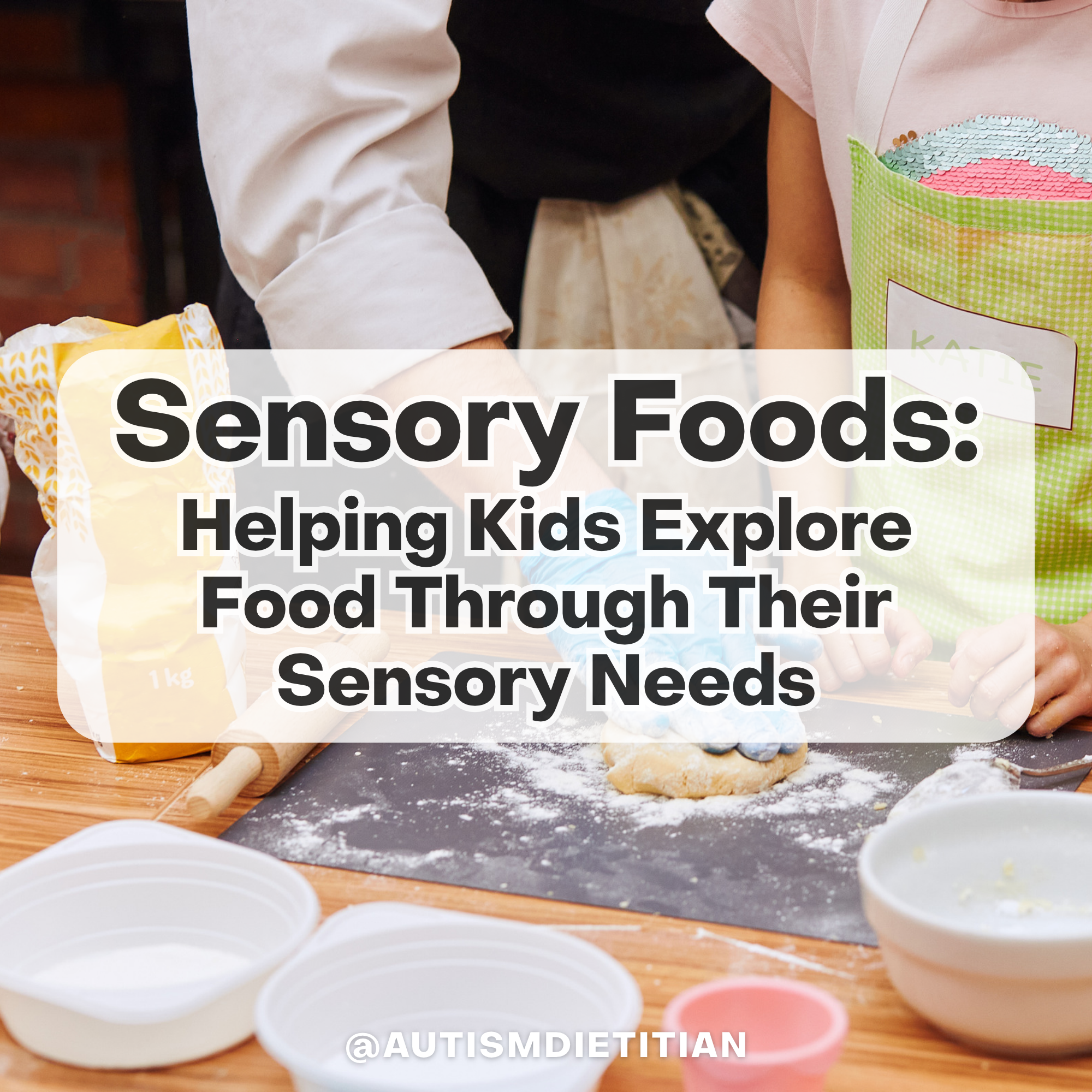
Helping kids explore new foods doesn’t have to start with tasting. Whether your child is a selective eater, feels overwhelmed by certain textures, or just needs a little extra time warming up to new foods, sensory exploration can make a world of difference. Sensory foods tap into all the ways children interact with what’s on their plate: sight, smell, touch, sound, and temperature.
By giving kids a chance to play, poke, prepare, sort, or even simply observe, you’re helping them build familiarity and confidence long before they take a bite.
What Are Sensory Foods?
Sensory foods are foods that engage more than just our sense of taste - they also offer visual, tactile, auditory, and even temperature-based exposures. Think of crunchy snacks like carrots or chips, cold treats like popsicles, or chewy options such as dried fruit.
Each of these provides a unique type of sensory input that can be stimulating for sensory-seeking kids, while smoother, softer foods may feel calming and comforting to others.
Incorporating sensory foods into your child’s day can be a powerful way to help them explore new textures and flavors, especially if they’re picky eaters or have sensory sensitivities that influence how they approach unfamiliar foods.
Sensory Food List
If you’re looking for a sensory food list for examples to help your child experience a wider variety of foods, here’s a list to get you started:
1. Textures
Crunchy: Carrots, crackers, chips, snap peas, granola
Chewy: Dried fruit, bagels, fruit leather
Soft: Mashed potatoes, ripe bananas, scrambled eggs
Firm: Apple slices, cucumber sticks, cheese cubes
Creamy: Yogurt, pudding, mashed avocado
Smooth: Applesauce, smoothies, puréed soups
Juicy: Peaches, oranges, watermelon, cherry tomatoes
Liquid: Broth, juice, milk, smoothies
Seedy: Strawberries, chia pudding, whole-grain bread
Meltable: Freeze dried fruit, popsicles, puff snacks
2. Colors
Red: Strawberries, cherry tomatoes, red peppers
Pink: Watermelon, strawberry yogurt, raspberries
Orange: Carrots, oranges, sweet potatoes
Yellow: Bananas, corn, yellow peppers
Green: Cucumbers, grapes, spinach, kiwi
Blue: Blueberries, blue corn chips
Purple: Grapes, purple cabbage, plums
White/Beige: Cauliflower, pasta, oatmeal, rice
Brown: Whole-grain crackers, beans, bread
Black: Blackberries, black beans, olives
3. Temperatures
Frozen: Popsicles, frozen berries, smoothie pops, ice chips
Cold: Yogurt, cheese sticks, pudding, cold pasta salad
Room Temperature: Crackers, sandwiches, muffins
Warm: Soup, baked potatoes, grilled cheese, cooked veggies
Why Sensory Play and Eating Go Hand-in-Hand
One of the great things about sensory play is that exploration happens away from the table. It allows your child to explore foods in new and different ways - through play, cooking, or art.
Giving kids a chance to explore a variety of foods in a low-pressure, relaxed environment helps increase their comfort around those foods, and increases the likelihood they will eat and enjoy those foods in the future. That is what makes sensory play so great!
If you have a child who really struggles with eating new foods, or they have a very limited number of accepted foods, sensory play gives them the opportunity to interact with foods without the pressure of being asked to eat those foods. Sometimes, that can lead to them eating the food as well!
With children that have sensory struggles, even playing with the food may be difficult for them - maybe they don’t like the way it feels, smells, or looks, and that’s okay. The key is that it should be low-pressure, so if there is resistance to playing with a food, it's okay to stop and try again another time, or switch to another food your child is more comfortable with.
The whole point is to have fun, so let your child lead and see where it goes!
Simple Sensory Food Activities to Try at Home
These simple ideas can transform mealtime from being stress-filled into a fun learning experience, giving kids the chance to explore food with all their senses at their own pace. Below are playful, hands-on ideas that can make food feel approachable and fun.
Touch & Texture Exploration
Create a “texture tray” with foods of different textures (sticky rice, smooth cucumber, bumpy broccoli). Just grab a variety of textures that you already have in your pantry, and mix it up with different foods each time.
Encourage feeling, squeezing, sorting — no eating required! Try bananas or avocado for squeezing, and mixed vegetables or a bean mix for sorting.
Sound & Crunch Challenge
Line up crunchy foods and have kids rate them from “quiet” to “super loud.”
Talk about how sound affects what we like to eat.
This would be a great time to try a “new” crunchy food that they may not have tried before. Consider giving freeze dried fruit or veggies a try!
Color and Smell Games
Rainbow plate: let kids arrange colorful fruits/veggies by shade. Even better - let them go to the store with you and pick out a fruit or veggie of each color.
Mystery sniff jars: herbs or spices in small containers — guess what’s inside! No need to buy anything new, just use what you have in the pantry or spice cabinet.
Cooking Together
Let kids wash, mix, or sprinkle — sensory engagement through safe kitchen tasks.
If your child is old enough, let them help chop fruits and veggies for meals. Here are some great kid-friendly knives.
Put on some music, and have fun preparing a meal together. If your child would rather not help with the food, have them help set the table, fill water glasses, or assist in another age-appropriate way.
How to Support Your Child During Sensory Food Play
The goal of sensory food play is to help your child feel more comfortable around a variety of foods, so it's important to keep the environment relaxed and nonchalant. Here are some tips that can help food exploration to be a positive experience for your child:
Keep it pressure-free: no forcing bites. The goal is to create a safe environment for them to explore new foods.
Use descriptive, sensory language instead of judgmental ones:
“This feels slippery,” instead of “You don’t like that.”
“Its okay to leave it” instead of “You don’t have to eat it”
Asking “How could we make this better?”
Try not to make a big deal out of it - whether they explore everything, or refuse to participate, try not to be too invested in the experience. Remember, the goal is to introduce foods and expose your child to them, and whether your child fully participates or is reluctant to explore the foods, it is okay. It's a process that will take time and patience - so try not to react emotionally either way.
Make it routine and repetitive— short, fun sessions work best.
When to Seek Extra Support
If you have a child that seems to struggle with more than just normal “picky eating”, it may be time to reach out for some extra support from a professional. Here are some signs that sensory challenges go beyond picky eating and may need additional evaluation and support:
Gagging or distress from textures
Very limited accepted food list
Mealtimes are extremely stressful and feel like a battle
Difficulty with feeding impacting growth or health
If this sounds like your child, consider contacting a pediatric dietitian or child feeding specialist. It can make a huge difference to work with a provider who understands what your child is going through and can help walk you through strategies to help.
If you’re looking for extra support in introducing new foods, the Food Hopper app is a great place to start. It’s the world’s first sensory-based food app for selective eaters, designed to help you discover which foods to try next based on the sensory qualities of the foods your child already enjoys. Think of it as a personalized roadmap to new textures, flavors, and experiences, all rooted in what feels familiar and approachable.
Give it a try and see how sensory-smart food introductions can help your child take their next steps toward more enjoyable eating!